


 admin
admin 
Sustainability is no longer a mere buzzword; it’s become a crucial part of how we think about the future, especially when it comes to the buildings we inhabit. Enter green architecture, a movement reshaping the way we design, build, and live in spaces that are not only aesthetically pleasing but also environmentally responsible. As concerns about climate change and resource depletion grow, green architecture offers a path forward to create healthier, more sustainable communities.
Why Go Green? It’s Not Just About the Trees!
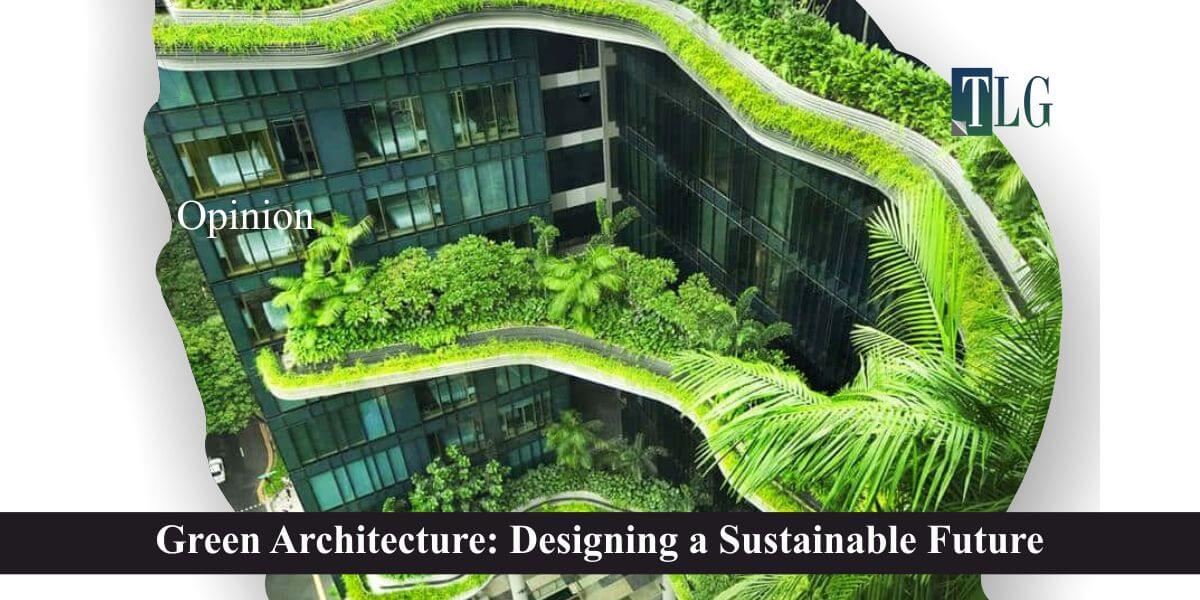
When people think of green architecture, images of buildings surrounded by trees or covered in plants often come to mind. While that’s part of it, green architecture is much more than incorporating greenery. It’s about reducing the overall environmental impact of buildings, from the materials used in construction to energy consumption and waste production.
Sustainability in architecture seeks to minimise the carbon footprint at every stage of a building’s lifecycle. This involves using renewable energy sources, recycling materials, improving water efficiency, and integrating designs that promote natural light and ventilation. The goal? To create spaces that respect nature while improving the quality of life for inhabitants.
Designing with Nature in Mind: More than Just a Pretty View
One of the key principles of green architecture is blending buildings with their natural surroundings. This doesn’t mean hiding skyscrapers in forests, but rather creating designs that harmonise with the environment. Architects today are drawing inspiration from nature, using biophilic designs that incorporate natural light, plants, and water features into the very heart of buildings.
Think of the famous Bosco Verticale in Milan, two residential towers covered in over 20,000 trees and shrubs. Not only do these plants absorb CO2, they also reduce air pollution, regulate temperature, and provide a natural habitat for birds and insects. These towers are a prime example of how green architecture can transform urban living by merging human structures with the natural world.
Eco-Friendly Materials: Wood, Steel, or Mushrooms?
Sustainable building materials play a starring role in green architecture. Instead of relying on traditional materials like concrete, which has a massive carbon footprint, architects are turning to eco-friendly alternatives such as recycled steel, reclaimed wood, and even biodegradable materials like mycelium—yes, that’s right, mushrooms!
Mycelium-based products are being used to create insulation and bricks, offering a renewable, durable alternative to conventional building materials. Meanwhile, bamboo, which grows incredibly fast, is becoming a popular choice for flooring and structural elements in many eco-conscious designs.
But the key isn’t just using eco-friendly materials; it’s also about reducing waste. Green buildings often make use of recycled or upcycled materials, reducing the demand for new resources and preventing usable materials from ending up in landfills.
Powering the Future: Solar Panels, Wind Turbines, and Beyond
A major component of green architecture is reducing a building’s energy consumption. This is achieved by incorporating renewable energy sources like solar panels and wind turbines into the design. These elements are no longer just add-ons but are integrated seamlessly into the structure of the building.
Take the Bullitt Center in Seattle, known as the greenest commercial building in the world. It generates all its own energy through rooftop solar panels, collects and recycles rainwater, and treats its own wastewater. The building not only meets the needs of its occupants but also serves as a model for what sustainable office spaces can look like in the future.
In addition to renewable energy, green buildings are designed to be energy efficient. Smart windows, which adjust their tint based on the amount of sunlight, help regulate indoor temperatures, reducing the need for air conditioning. High-performance insulation keeps heat in during the winter and out during the summer, lowering energy use throughout the year.
Water, Water Everywhere – But Make It Sustainable!
Water conservation is a crucial element in green architecture. Buildings consume a significant amount of water, not just for human use but also for landscaping, cooling systems, and cleaning. In sustainable buildings, water use is minimised through a variety of innovative techniques.
Rainwater harvesting systems collect water from rooftops and store it for future use, reducing the demand on municipal water supplies. Greywater recycling systems treat and reuse water from sinks and showers for non-potable uses like toilet flushing and irrigation.
By designing buildings that are water-efficient, architects can help alleviate the pressure on our increasingly scarce water resources.
Smart Buildings: When Technology Meets Sustainability
We’re living in the age of smart technology, and green architecture is taking full advantage of it. Smart buildings use sensors and automation systems to monitor and control everything from lighting to temperature, making sure energy isn’t wasted when it’s not needed. Motion-activated lights, for instance, ensure that lights aren’t left on in empty rooms, while smart thermostats optimise heating and cooling based on occupancy and weather conditions.
These technologies not only make buildings more energy-efficient but also more comfortable and convenient for the people who use them.
The Future is Green – And It’s Happening Now!
Green architecture isn’t just a trend; it’s the future of building design. With the growing awareness of environmental issues, more architects and developers are adopting sustainable practices, and governments are stepping in to support green building initiatives through regulations and incentives.
We’re seeing a shift towards carbon-neutral buildings that produce as much energy as they consume, and innovations in materials and technology promise even more exciting developments in the years to come.
Whether it’s through the use of eco-friendly materials, renewable energy sources, or smart technology, green architecture is leading the way in designing a future where buildings are not only beautiful and functional but also good for the planet. So next time you step into a building, ask yourself—how green is it? Because the answer might just surprise you.
 Magazine