


 admin
admin 
How Non-Profit Senior Centres Reduce Hospital Readmissions Through Transitional Care Programs
Quick Summary
Hospital readmissions among older adults remain an expensive and dangerous hurdle within modern healthcare systems. Non-profit senior centres solve this issue by introducing structured transitional care programs that bridge the gap between inpatient discharge and home recovery.
These community hubs coordinate essential services like medication reconciliation, patient health coaching, and home safety assessments to stabilize individuals during their most vulnerable post-discharge weeks. By empowering family caregivers and addressing critical social needs like nutrition and isolation, these programs successfully lower thirty-day return rates.
Introduction
Leaving the hospital is a critical moment for any older adult. Many seniors face a confusing mix of new prescriptions, complex recovery instructions, and follow-up medical dates. Without proper guidance, the risk of returning to a hospital bed rises rapidly. In fact, national data shows that nearly twenty percent of older patients are readmitted within thirty days of discharge.
Non-profit senior centres are stepping up to change this reality through structured transitional care initiatives. These community organizations serve as essential resource hubs, connecting medical care with daily life at home. By offering organized guidance and personal attention, they ensure seniors heal safely and comfortably in their own neighborhoods.
Industry Context
The financial and human costs of hospital returns are incredibly high for families and providers alike. Preventable readmissions cost the healthcare system billions of dollars each year, signaling gaps in care coordination. Often, these return trips happen because patients find discharge instructions overwhelming or lack support at home.
In response, modern healthcare laws like the Affordable Care Act impose financial penalties on hospitals with high readmission rates. This pressure forces healthcare networks to find trusted community partners outside the clinical setting. Non-profit senior centres have emerged as ideal allies because they have existing trust, local networks, and low-cost delivery models.
Key Trends
Several shifting patterns are changing how communities manage elder care today:
- The Rise of Coaching Models: More centres use established frameworks like the Eric Coleman Care Transitions Intervention model to build long-term patient self-reliance.
- Emphasis on Health Literacy: Using simple language and visual aids ensures seniors truly understand their recovery plans without clinical confusion.
- Focus on Caregiver Support: Helping family members through workshops lowers daily stress and actively prevents severe emotional burnout.
- Rapid Follow-Up Calls: Staff make phone contact within three days of discharge to spot early health problems before emergencies develop.
- Nutritional and Social Integration: Modern programs combine meal deliveries with social check-ins to fix isolation and low weight issues simultaneously.
Leadership Insights
Healthcare executives emphasize that medical care does not stop at the hospital exit. True recovery requires stable daily support. Leaders note that medical treatments fail if a patient cannot get groceries or open pill bottles.
Non-profit boards are shifting their funding toward these transitional programs. They see them as vital community investments. By focusing on social factors like nutrition and loneliness, centres fix issues before they become medical emergencies.
Medication Management and Active Health Coaching
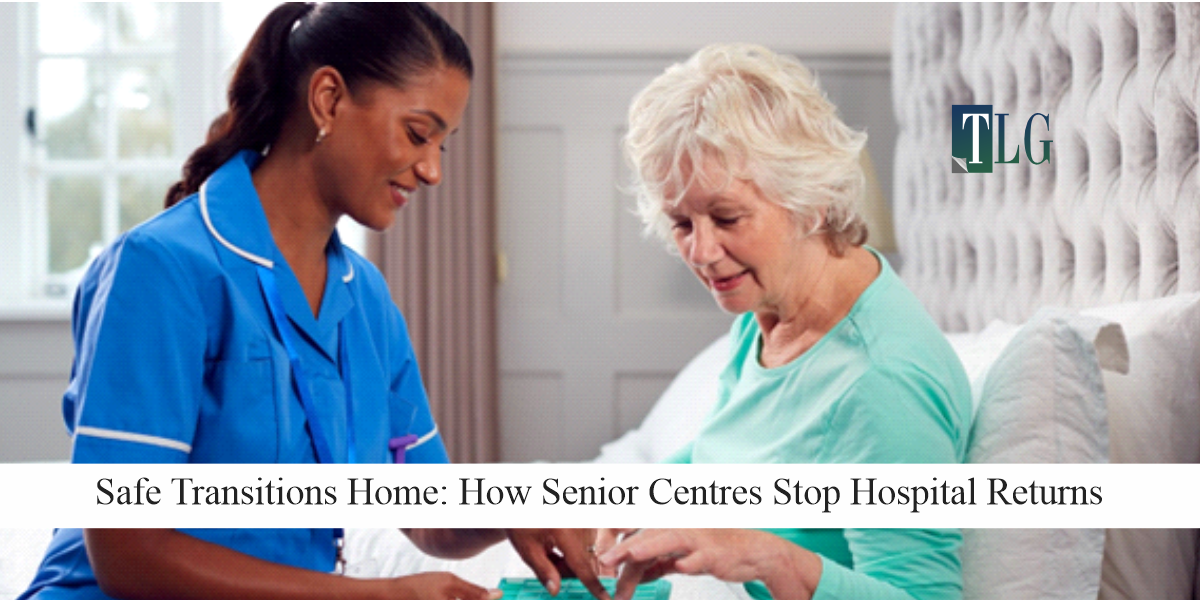
The first few weeks at home require careful coordination between medical providers and daily support teams. Non-profit senior centres deploy trained staff to guide seniors through this delicate post-discharge recovery period. Here are the core strategies used to ensure patient safety and independence:
- Fixing Prescription Confusion: Staff review all physical medicine bottles together to ensure new hospital pills do not dangerously clash with old home prescriptions.
- Spotting Red Flags: Health coaches teach seniors to notice warning signs like sudden swelling or dizziness to stop emergency room visits early.
- Building Self-Reliance: Focused programs last around four to twelve weeks to give seniors the confidence to manage their own health routines safely.
- Personal Health Tracking: Staff help patients maintain a personal health record to accurately log daily vitals and notes for their doctors.
- Scheduling Priority Follow-Ups: Coordinators assist seniors in setting up and attending primary care check-ins within the critical two-week discharge window.
Multidisciplinary Support and Caregiver Empowerment
Recovery involves far more than just taking medicine correctly on a daily schedule. It requires a safe physical home and a well-trained, emotionally supported network of family caregivers. Here are the community resources coordinated under one roof to aid long-term healing:
- Home Safety Upgrades: Staff look for hazards like loose rugs or poor lighting to prevent dangerous falls during early recovery weeks.
- Nutritional Guidance: Volunteers arrange fresh grocery deliveries and prepare healthy meals to give the healing body needed energy and strength.
- Family Training: Centres provide free workshops on proper lifting, feeding, and emotional support to help overwhelmed relatives manage daily care.
- Therapy Coordination: Managers connect seniors with local physical therapists and social workers to safely address functional needs at home.
- Respite Care Services: Volunteers offer temporary relief sessions so primary family caregivers can rest and look after their own personal wellbeing.
Expert Perspective
“Medical care fixes the acute problem, but community support sustains the human life.”
Experts in aging research point out that social isolation accelerates physical decline. When a senior has a local centre checking on them, their recovery speed doubles. The combination of social contact and health monitoring creates a powerful safety net. When a senior feels connected to a community, they are much more likely to follow their medical plans and stay positive.
Clinical treatments only do half the work, while community networks handle the daily lifestyle changes that keep a person well. This emotional backing prevents the deep loneliness that often causes older adults to give up on their recovery goals.
Future Outlook
The link between medical systems and community non-profits will grow stronger. Digital tools will soon assist these local programs. Simple remote monitoring devices will help staff track vitals from a distance. Healthcare networks will share data securely with local centres to catch minor health shifts before they become dangerous. This shared tech setup will allow small teams to support a much larger number of seniors right in their neighborhoods.
Funding models are also changing. Insurance providers are starting to pay for senior centre programs. They realize that spending money on community care saves millions on hospital bills later. Government grants will also shift toward these preventative neighborhood plans rather than just funding emergency care. In the coming years, regular health plans will likely cover senior centre check-ins as a standard part of discharge planning.
FAQs
What is a transitional care program?
A transitional care program is a short-term support service that helps patients move safely from a hospital back to their own home.
Why are medication errors common after discharge?
Medication errors are common after discharge because changes made to prescriptions during a hospital stay often cause confusion regarding old versus new pill routines at home.
What specific care models do these centres use?
These centres rely on proven frameworks like the Eric Coleman model which focuses on health coaching and tracking warning signs.
How do these programs help family caregivers?
These programs help family caregivers by providing hands-on training, resource planning, and temporary respite care to prevent family stress and burnout.
How do senior centres fund these services?
Senior centres fund these services by using a mix of government grants, private donations, and financial partnerships with local hospital networks.
Key Takeaways
- Nearly 20% of senior patients return to the hospital within a month. This high readmission rate highlights a major gap in post-discharge care that requires immediate community intervention.
- Non-profit centres provide a vital link between hospital teams and home recovery. They bridge the gap between clinical settings and daily life to ensure no patient is left unmonitored.
- Medication reviews and health coaching eliminate the top causes of readmission. Catching drug conflicts and spotting early symptoms stops minor health issues from turning into emergency room visits.
- Supporting family caregivers prevents burnout and keeps seniors safer at home. Giving relatives proper training and breaks ensures long-term recovery success and a stable home environment.
- Prevention programs lower overall healthcare costs while preserving elder independence. Investing in local community support keeps older adults healthy and living comfortably on their own terms.
Conclusion
Hospitals excel at treating sudden illness, but long-term health thrives in the community. Non-profit senior centres offer a simple, human solution to a complex medical problem. By providing care coordination and home support, they keep older adults healthy and out of hospital wards. This partnership protects both vulnerable seniors and valuable medical resources.
 Magazine