


 admin
admin 
The modern industrial world is currently undergoing a silent but powerful shift as the focus moves from the speed of construction to the intelligence of design. At the very heart of this transformation are engineers, who have evolved from simple builders of machines into the primary architects of a cleaner and more efficient global future.
These creative thinkers are finding ways to mix old building methods with new ideas to protect our natural air and water. Their work proves that we can still grow our economy while taking much better care of the earth beneath our feet. Read on to discover how these experts are changing the world one drawing at a time.
The New Blueprint for Progress
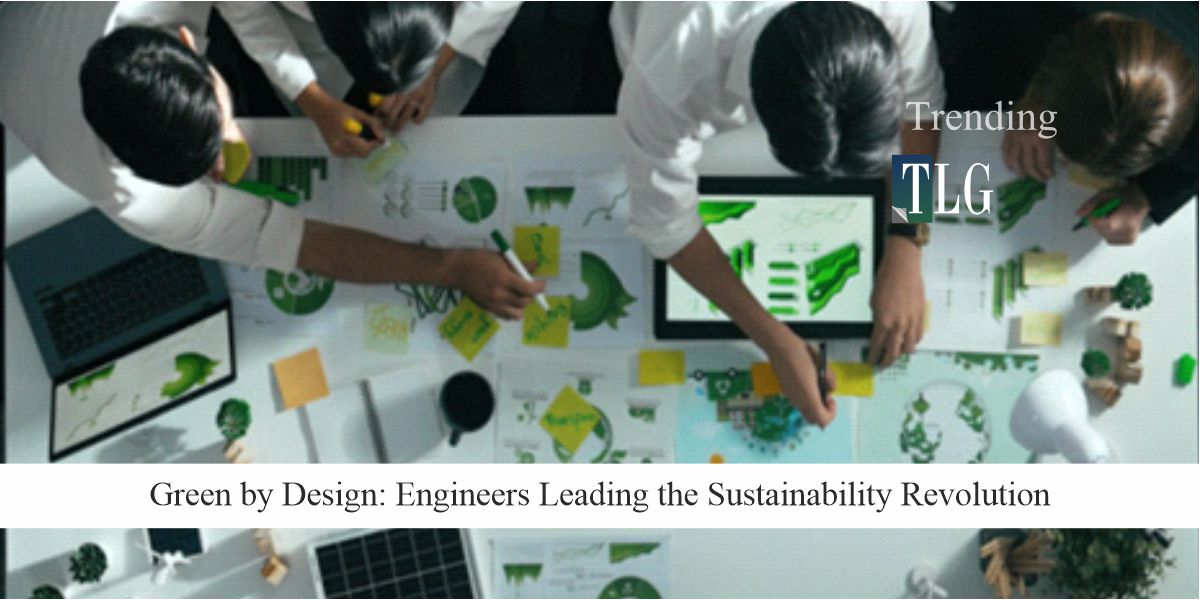
Sustainability is no longer just a buzzword used by marketing teams to appeal to the public; it has become a core requirement for long-term business success. Engineering firms are now integrating environmental health into the earliest stages of every project through a strategy known as “Green by Design.”
This approach ensures that every single component serves a specific purpose without causing unnecessary harm to the natural world. By focusing on efficiency from the start, they are successfully reducing waste before the manufacturing process even begins.
Redefining Materials and Resources
While traditional construction once relied heavily on finite resources, the new generation of engineers is looking toward the benefits of a circular economy. They are actively swapping out high-carbon materials for innovative alternatives that offer better performance and a smaller environmental footprint.
- Green Concrete: This advanced material actually absorbs carbon dioxide from the air during its drying process.
- Recycled Polymers: Creative engineers are now turning reclaimed ocean plastic into durable components for the building industry.
- Mass Timber: Strong wood products are replacing steel in high-rise buildings to trap carbon within the structure itself.
- Self-Healing Materials: New compounds allow structures to repair their own cracks, which significantly extends the life of products.
By choosing these modern materials, engineers are able to cut the total carbon footprint of global trade and manufacturing. They are effectively turning what was once considered waste into a valuable asset for the next generation of infrastructure.
Energy Efficiency as a Global Standard
Energy remains the lifeblood of the global economy, yet its production is often cited as the largest source of industrial pollution. Engineers are tackling this massive challenge by completely rethinking how power is generated, stored, and used across the world. They are moving away from massive, aging power plants toward smaller and more decentralized systems that offer greater reliability.
- Microgrids: These small-scale power grids use local renewable sources to provide energy to specific communities or factories.
- Smart Sensors: These digital tools track energy use in real-time to identify and stop waste as soon as it happens.
- Passive Design: Engineers are now using the natural path of the sun and wind to heat and cool buildings without electricity.
- Heat Recovery: Modern factories capture the heat that used to be lost and use it to power other essential processes.
These steps do more than just protect the planet; they also provide a clear path to significant financial savings. For modern businesses, energy efficiency represents the most direct route to achieving higher profits while staying responsible.
The Vital Role of Digital Innovation
Software has become just as important as physical hardware in the ongoing green revolution, with digital twins serving as a perfect example. These are sophisticated virtual models of real-world systems that allow engineers to test performance before any physical building begins.
This technology prevents costly mistakes and saves a massive amount of physical materials during the development phase. Simulations can show exactly how much energy a factory will use under many different environmental conditions. This data allows for precise adjustments that maximize total output while minimizing the intake of raw energy.
Navigating the Global Supply Chain
The reach of engineering leadership now extends far beyond the factory floor and deep into the complexities of the global supply chain. Engineers are designing clever systems that can track the origin and journey of every single raw material used in a product. This level of transparency ensures that every component is sourced ethically and processed in an environmentally friendly manner.
- Shorter Routes: Logistics engineers use complex math to find the shortest and most fuel-efficient delivery paths for goods.
- Modular Design: Products are now built to be easily taken apart so that individual pieces can be repaired or recycled.
- Water Management: New systems allow facilities to treat and reuse their own water supply multiple times.
These changes create a resilient business model that is better prepared for any future shortages of natural resources. Companies that adopt these methods find themselves in a much stronger position to handle market changes.
A Cultural Shift in the Engineering Office
The sustainability revolution is as much about a change in human mindset as it is about new technology. Engineering firms are changing their internal cultures to value long-term environmental health over short-term financial gains. This shift helps attract talented young professionals who want their daily work to have a positive impact on the world.
In the modern era, “doing it right” has become synonymous with doing it green. Engineers are now acting as the ethical compass for many large corporations by providing the technical proof that sustainability is a smart move.
Conclusion
The revolution is well underway, and engineers are proving that profit and the planet can indeed thrive together. Through the use of better materials, smarter energy systems, and digital tools, they are rewriting the old rules of industry.
The goal is quite simple: to leave the world in a better state than it was found. By designing with the earth in mind, engineers are building a lasting legacy of balance and hope for everyone.
 Magazine