


 admin
admin As education increasingly shifts online, delivering high-stakes exams virtually presents distinct challenges. These assessments—such as university entrance exams, professional certifications, or licensure tests—must uphold the same level of rigour, fairness, and security as their in-person counterparts. To ensure integrity and equitable outcomes, educational institutions must adopt targeted, reliable strategies tailored to digital delivery.
Using Remote Proctoring to Safeguard Exam Integrity
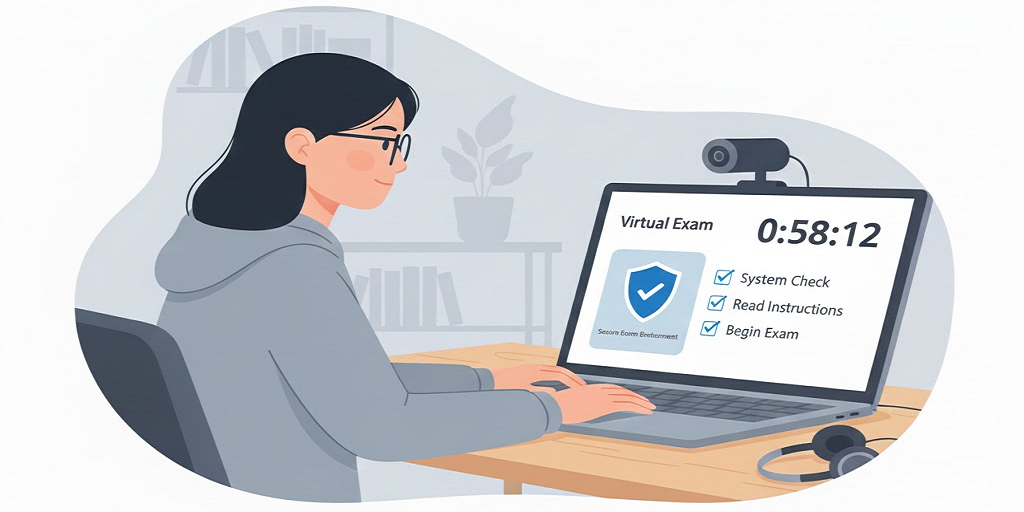
One of the most reliable ways to manage high-stakes exams online is through remote proctoring. In traditional exam halls, invigilators are physically present to monitor student behaviour and ensure compliance. In a virtual setting, this role is fulfilled by specialised platforms designed to replicate that oversight. Today’s exam proctoring solution with remote capability enables this by using a combination of live or automated monitoring, identity verification, and AI-driven behavioural analysis to maintain exam integrity and deter misconduct.
These tools mimic physical exam conditions by verifying student identities, locking down browsers, and flagging suspicious activity such as unusual eye movement or background noise. Some platforms include real-time human oversight, while others conduct post-exam analysis. In both cases, these systems uphold the standards of high-stakes testing while offering a consistent and fair experience to all candidates, regardless of location.
Ensuring Equitable Access and Technical Readiness
Accessibility is fundamental when managing remote exams. Students must have access to compatible devices, stable internet, and a quiet environment. Institutions can promote fairness by clearly communicating technical requirements in advance and offering mock exams to allow students to test their systems and become familiar with the platform.
Features like autosave, recovery from disconnection, and flexible timing options help accommodate unexpected technical difficulties. These measures reduce stress, prevent data loss, and ensure that technical limitations do not unfairly disadvantage any candidate.
Verifying Candidate Identity and Authenticity
To maintain the integrity of high-stakes exams, verifying that the person taking the test is the correct candidate is essential. Digital ID checks—such as capturing a government-issued document alongside a facial scan—are standard practice. Ongoing facial recognition and biometric verification during the session help prevent impersonation or unauthorised participation.
The verification process must be secure yet non-intrusive. It’s important for institutions to inform candidates about what data is being collected and how it will be used. This transparency fosters trust and ensures compliance with data protection regulations.
Designing Secure and Fair Assessments
The structure of an exam plays a key role in deterring misconduct. Randomising question order, drawing from extensive item banks, and preventing backtracking between sections can reduce the chances of cheating. Lockdown browsers and limited time per question are also effective tools.
In addition, configuring exams to only be accessed from verified devices or IP addresses, using encrypted connections, and applying multi-factor authentication enhance overall security. These elements help ensure that every candidate completes the test independently and without undue advantage.
Building Scalable and Resilient Technical Infrastructure
Delivering high-stakes examinations to large numbers of candidates simultaneously requires a technical infrastructure that is both stable and scalable. Cloud-based platforms supported by load balancing and redundancy mechanisms are well-suited to this context, as load balancers distribute incoming traffic across multiple servers to maintain performance and availability under high or fluctuating demand. These architectures help reduce the risk of system outages, latency, or service degradation during critical assessment windows.
In addition to system resilience, real-time technical support plays an important role in maintaining assessment continuity. Providing live chat or phone support during examination periods enables candidates to resolve technical issues promptly, reducing disruption and stress. For assessments with international participation, support coverage across multiple time zones is particularly important to ensure consistent assistance regardless of candidate location.
Complying with Data Privacy and Regulatory Standards
Remote exams often involve collecting sensitive data, including video footage and biometric information. Institutions must manage this data responsibly, with clear consent processes, secure storage practices, and strict access controls.
Clear privacy policies and open communication about data use foster transparency. This helps to reassure candidates and protect the reputation of the institution, while demonstrating a commitment to ethical data management.
Bringing Exam Standards into the Digital Era
Managing high-stakes exams in virtual environments demands a deliberate, multifaceted approach. By using secure proctoring, ensuring equitable access, verifying identities, designing secure assessments, building technical resilience, and complying with privacy standards, institutions can deliver digital exams that match the integrity and quality of traditional ones. In doing so, they maintain the credibility of their qualifications while adapting confidently to the demands of a digital future.
 Magazine