


 admin
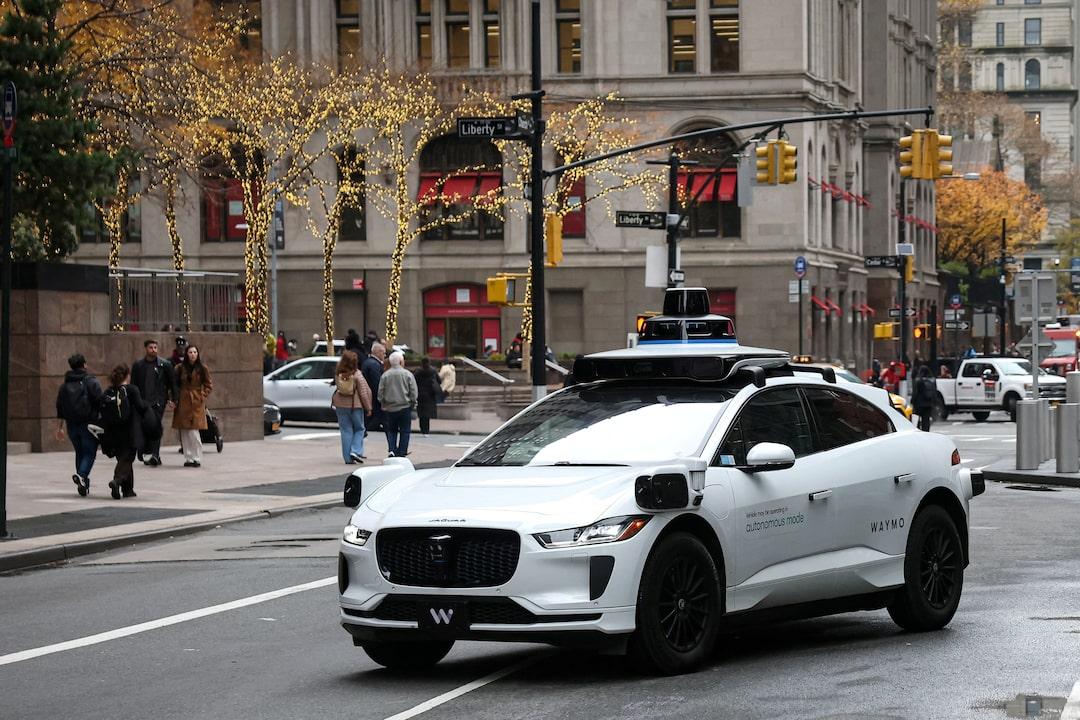
admin Waymo announced a Waymo software update after San Francisco power outage disruptions caused widespread traffic confusion. The company responded quickly, therefore aiming to restore trust and operational stability. Moreover, the outage exposed scale-related challenges for autonomous mobility systems. Consequently, the incident triggered immediate technical and procedural improvements across the fleet.
On Saturday evening, a substation fire cut electricity across large parts of San Francisco. As a result, traffic lights failed across multiple intersections simultaneously. Waymo robotaxis continued driving, yet many requested human confirmation checks. Meanwhile, the requests surged sharply within a compressed time window. Therefore, response delays increased congestion on already stressed city streets.
Several videos showed stationary robotaxis displaying hazard lights at dark intersections. However, the vehicles followed programmed safety logic rather than stopping randomly. Waymo designs its vehicles to handle unlit signals as four-way stops. Still, the unusual outage scale created operational bottlenecks. Consequently, vehicles waited longer than expected for confirmations.
Waymo stated that its confirmation protocols suited early deployment phases. However, the company now operates thousands of vehicles daily. Therefore, engineers decided to refine decision-making thresholds immediately. The upcoming update provides vehicles with outage-specific situational awareness. As a result, cars will navigate decisively during large-scale power failures.
Additionally, Waymo committed to strengthening emergency response coordination. The company plans faster internal escalation during infrastructure disruptions. Moreover, teams will prioritize dense urban congestion scenarios. Consequently, the fleet should recover faster during citywide emergencies.
Waymo paused San Francisco ride-hailing services during the incident. However, the company restored full operations by Sunday. Currently, Waymo runs over 2,500 vehicles across several U.S. metro regions. These cities include major technology and mobility testing hubs. Therefore, lessons from San Francisco carry systemwide importance.
State regulators began reviewing the stalled vehicle reports shortly afterward. They aim to understand traffic impact and safety compliance. Meanwhile, Waymo pledged full cooperation during the review process. The company emphasized transparency and continuous improvement throughout deployment.
Earlier this month, Waymo also updated software following school bus violations in Texas. That issue highlighted the importance of rapid corrective action. Consequently, the latest update reflects a broader safety-first strategy. Waymo continues refining systems as real-world complexity increases.
Overall, the outage marked a stress test for autonomous transportation at scale. However, Waymo treated the disruption as a learning opportunity. Therefore, the company now accelerates smarter autonomy under unpredictable urban conditions.
 Magazine