


 admin
admin 
Meteorite Iron May Have Shaped Ancient Greek Elite Jewelry
Quick Summary
Ancient Greek meteorite iron rings may reveal a rare Bronze Age tradition linked with wealthy elites. Researchers analyzed 91 ancient iron weapons and jewelry pieces from 33 archaeological sites in Greece and Crete. Thirteen objects contained nickel traces, while ten rings probably contained iron from meteorites.
Several rings also combined meteoritic iron with gold and silver, suggesting exceptional value and social importance. Researchers suggest ancient trade networks may have carried the rare metal from Egypt into Greece. This distinctive jewelry tradition appears to have disappeared around the Late Bronze Age collapse.
Introduction
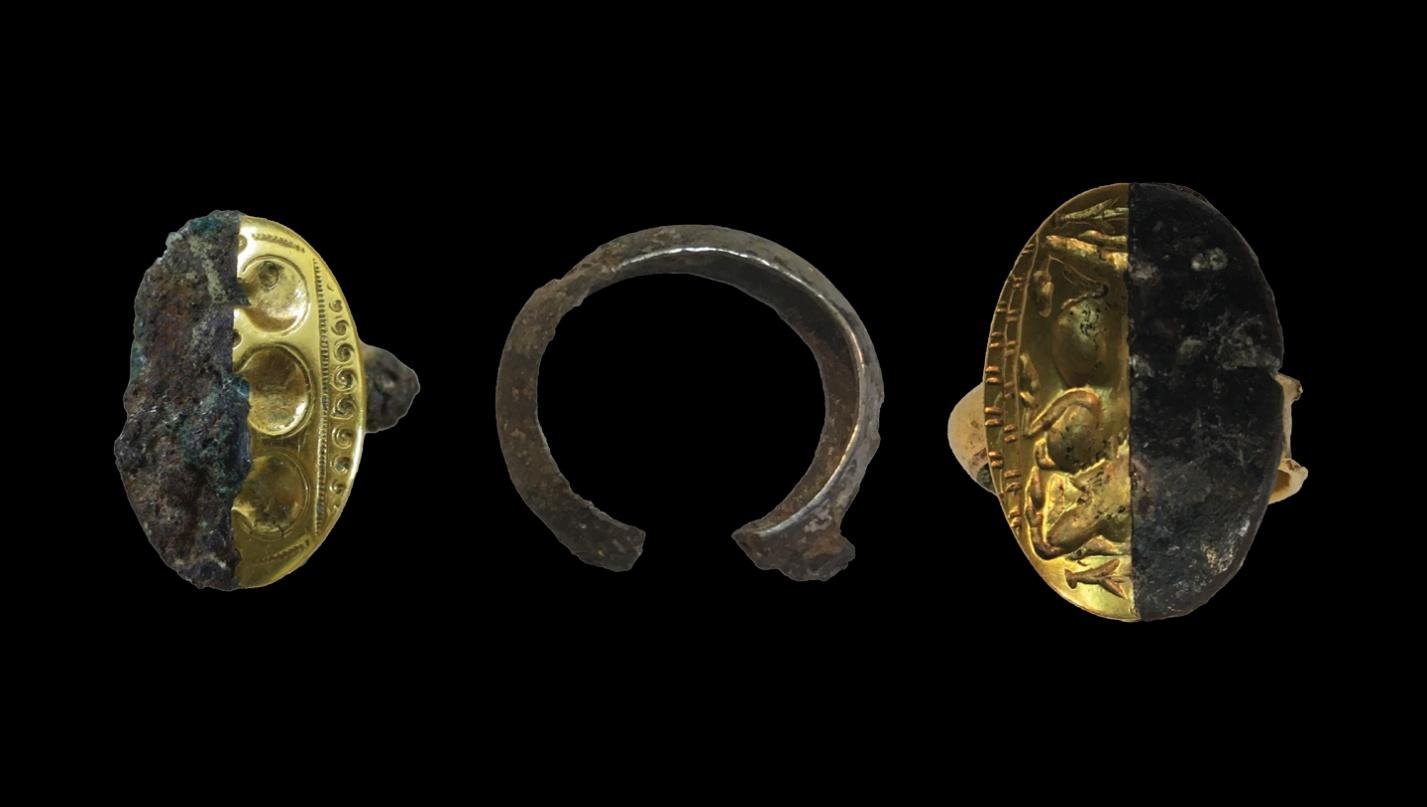
Ancient Greek meteorite iron rings may offer new clues about Bronze Age wealth, craftsmanship, and long-distance trade. Researchers identified possible meteoritic iron in several rings discovered across southern Greece and Crete.
The findings come from chemical analysis of 91 ancient iron weapons and jewelry objects dating between 3,000 and 4,000 years ago. Several rings also featured gold, silver, and engraved designs, pointing toward wealthy and influential owners.
Ancient Greek Meteorite Iron Rings Show Signs of Rare Metal
Researchers examined 91 ancient iron objects recovered from 33 archaeological sites across Greece and Crete. The collection included weapons, jewelry, rings, and fragments dating from the Bronze Age period. Scientists used X-ray fluorescence to examine the chemical composition of the ancient iron objects. Most artifacts showed little or no nickel, which commonly appears in iron produced through ancient smelting.
However, researchers detected nickel traces in 13 objects, and every example belonged to a ring. Based on their chemical composition, researchers consider ten of these rings probable examples of meteoritic iron use. The other three rings require additional research before scientists can confirm their metal sources.
Ancient Trade May Explain the Meteorite Iron’s Presence
Meteorites remain relatively uncommon across Greece and Crete, making local sources difficult to identify. Researchers suggest ancient trade networks may have brought meteoritic iron into the region from distant sources. Egypt stands out as a possible source because ancient Egyptians valued meteorite iron for prestigious objects.
A notable example comes from King Tutankhamun’s tomb, where researchers found a dagger made with meteoric iron. The Greek rings could indicate that similar materials moved through wider Mediterranean trading networks. This possibility also highlights the strong connections between Bronze Age communities across the region.
Meteorite Ring Tradition Ended After the Bronze Age Collapse
Researchers found no similar meteorite iron rings in the region after the 12th century B.C. Their disappearance coincides with the Late Bronze Age collapse, which transformed several Mediterranean societies. The collapse ended the Mycenaean civilization across southern Greece and disrupted established trade networks.
Meanwhile, the Minoan civilization on Crete had already declined, possibly following a volcanic eruption. The disappearance of meteoritic jewelry suggests that this rare fashion belonged specifically to earlier elite cultures. The findings also show how changing societies influenced the production and use of prestigious materials.
FAQs
What are ancient Greek meteorite iron rings?
Ancient Greek meteorite iron rings are Bronze Age rings made partly from probable meteoritic iron. Researchers identified them through chemical analysis and nickel traces within the ancient metal.
How did researchers identify possible meteoritic iron?
Researchers used X-ray fluorescence to examine the chemical composition of ancient iron objects. They focused on nickel because meteorites commonly contain high levels of this element.
How many rings may contain meteorite iron?
Researchers identified 13 nickel-bearing rings or ring fragments during their analysis. They believe ten objects probably contained meteoritic iron, while three need further research.
Who likely owned these ancient rings?
The rings probably belonged to wealthy Minoan and Mycenaean communities during the Bronze Age. Their rare materials and detailed designs suggest strong connections with elite social groups.
Where could the meteorite iron have come from?
Researchers suggest Egypt as one possible source because meteorite iron held significant value there. Ancient Mediterranean trade routes may have transported the rare material into Greece.
Key Takeaways
- Ancient Greek meteorite iron rings may represent Bronze Age elite jewelry.
- Researchers found nickel traces in 13 ancient ring objects.
- Ten rings probably contained iron originating from meteorites.
- Gold, silver, and engravings increased their social and material value.
- Ancient trade may have brought meteorite iron from Egypt into Greece.
Conclusion
Ancient Greek meteorite iron rings provide a rare glimpse into Bronze Age wealth and craftsmanship. Their unusual metal, precious decorations, and engraved designs suggest strong connections with elite society. The findings also raise intriguing possibilities about ancient trade between Greece and Egypt.
Further research could reveal more about how Bronze Age communities valued and exchanged celestial materials. These rings connect ancient craftsmanship, social status, international trade, and metal that originated beyond Earth.
 Magazine