


 admin
admin 
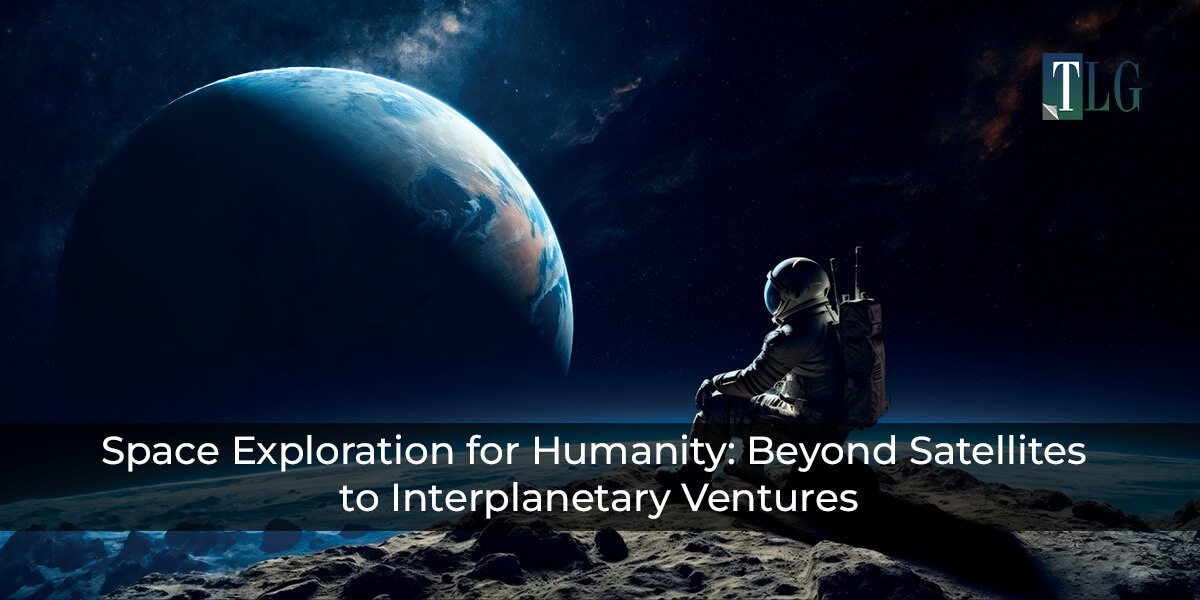
Space exploration represents a profound endeavor for humankind. It extends far beyond the familiar realm of communication satellites, offering a compelling vision for the future. Indeed, interplanetary ventures hold immense promise for scientific advancement and long-term survival. This journey into the cosmos fuels our innate curiosity about the universe, while also providing tangible benefits for life on Earth. Expanding our reach among the stars could, in essence, secure humanity’s future. It might even lead to discoveries beyond our current imagination, pushing the boundaries of what is known.
The Imperative of Cosmic Discovery
Humanity’s journey into space is not merely a scientific quest. It is a strategic imperative. The Earth, while home, presents finite resources. It also faces various environmental challenges. Looking to the cosmos provides alternative solutions. It offers new perspectives on our place in the universe. As Carl Sagan eloquently stated, “Exploration is in our nature. We began as wanderers, and we are wanderers still.” This inherent curiosity drives us onward.
Beyond Earth Orbit: A New Frontier
For decades, space efforts primarily focused on Earth’s immediate vicinity. Communication and observation satellites have transformed daily life. They have brought the world closer. Weather forecasting has improved dramatically. Global navigation systems now guide millions. However, this is just the beginning. The next phase involves pushing past low Earth orbit. It includes reaching for the Moon, Mars, and beyond. This ambitious expansion redefines our capabilities.
- Lunar Resurgence: The Moon is again a focal point. Missions aim to establish sustainable outposts. These bases could serve as crucial stepping stones. They would facilitate deeper space travel. Water ice at the lunar poles holds significant interest. This resource could support human habitats. It could also provide propellant for rockets.
- Mars: The Next Giant Leap: Mars stands as the primary target for human exploration. Its similarities to Earth make it intriguing. Scientific investigations continue to uncover its secrets. Future missions plan to send astronauts to the Red Planet. This would be a monumental achievement. It would significantly expand our understanding of planetary evolution.
Economic and Technological Spin-offs
Investing in space exploration brings significant advantages. It creates benefits far beyond the initial investment.
- Advanced Materials Development: Space missions require incredibly strong, yet lightweight, materials. This demand has led to the creation of new alloys and composites. These materials are now used in aircraft, sports equipment, and even everyday consumer goods, making products more durable and efficient.
- Medical and Health Innovations: Astronaut health in challenging environments drives medical research. Technologies like remote diagnostic tools and advanced imaging systems, developed for space, now improve healthcare on Earth. They help doctors monitor patients and diagnose conditions more effectively.
- Robotics and Automation Progress: Exploring distant planets requires sophisticated robotic systems. The advancements in AI and robotics for space applications have a direct impact on industries like manufacturing and logistics. These intelligent systems make factories more efficient and automate difficult tasks.
- Improved Communication and Navigation: The need for reliable communication with spacecraft led to breakthroughs in satellite technology. This has given us global internet access and precise GPS systems. These tools are now essential for modern life and global commerce.
- Clean Energy Solutions: Developing efficient power sources for spacecraft has pushed solar panel technology forward. These innovations in solar energy and battery storage, initially for space, now provide cleaner and more sustainable power options for homes and businesses on Earth.
Protecting Our Future: Planetary Defense
Space exploration plays a vital role in safeguarding Earth. It directly addresses potential cosmic threats.
- Asteroid and Comet Tracking: Identifying objects near Earth is a critical task. Specialized telescopes and monitoring systems tirelessly scan the skies. This constant vigilance allows for early detection of any potential impactors.
- Hazard Assessment and Classification: Once an object is spotted, its orbit is precisely calculated. Scientists then determine its size and potential danger level. This crucial data informs decisions on necessary actions.
- Developing Deflection Strategies: Research into methods for altering an asteroid’s path is ongoing. Concepts include kinetic impactors or gravity tractors. These technologies aim to subtly nudge a hazardous object off its collision course.
- International Collaboration: Protecting Earth from cosmic impacts is a global effort. Space agencies and research institutions worldwide share data and expertise. This unified approach ensures a more comprehensive defense strategy.
- Understanding Solar Flares and Space Weather: Beyond physical objects, solar activity poses a threat. Powerful solar flares can disrupt communication systems and power grids. Monitoring space weather helps us prepare and mitigate these effects.
The Human Spirit of Exploration
The desire to explore is deeply ingrained in human nature. It fuels scientific inquiry. It inspires generations. Space exploration pushes the boundaries of what is possible. It fosters collaboration among nations. It unites people under a common goal. The images from space remind us of Earth’s fragility. They highlight the importance of stewardship. “The universe is a vast, beautiful, and awe-inspiring place,” said an unnamed astronaut. “And we are just beginning to explore it.”
Conclusion
The path to interplanetary ventures is not without its hurdles. Significant financial investment is required. Technological complexities are immense. The physiological effects of long-duration space travel need further study. However, the potential rewards outweigh these challenges. The knowledge gained promises to be invaluable. It could transform our understanding of life itself. It could also ensure humanity’s long-term survival. The journey into the cosmos represents humanity’s greatest adventure. It is a testament to ingenuity and courage. It promises a future brimming with discovery and possibility.
 Magazine