


 admin
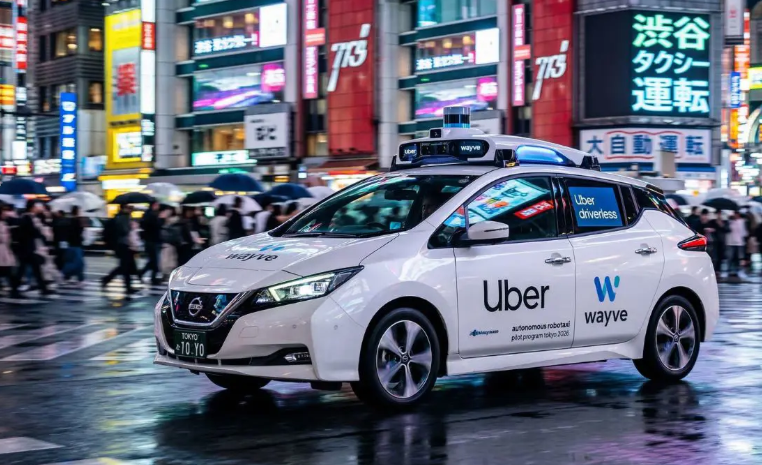
admin The future of city travel just took a major leap forward in Tokyo. Nissan, Uber, and Wayve officially joined forces to bring self-driving robotaxis to the streets. This high-profile partnership aims to launch a real-world pilot program by late 2026. Because of this, Japan will soon see Nissan Leaf electric vehicles navigating through local traffic autonomously.
Nissan contributes the electric car fleet, while Wayve provides the sophisticated brain behind the driving tech. Uber acts as the bridge by offering its massive platform to connect riders with these smart vehicles. This deal marks Uber’s very first autonomous project within the Japanese market.
Wayve has actually been testing its driving software across Japan since early 2025. CEO Alex Kendall notes that this team-up ensures a safe, responsible rollout of the technology. For the initial phase, a trained safety driver will remain behind the wheel at all times. Additionally, Uber plans to manage the service through a trusted local taxi partner.
Nissan’s CEO, Ivan Espinosa, recently suggested that the group might eventually expand this service to other countries. This vision could soon touch many global cities currently seeking better transport options. Interestingly, Wayve already draws major financial support from industry heavyweights like SoftBank and Nvidia.
The relationship between these players started picking up speed back in August 2024. Both Uber and Wayve intend to launch robotaxi services in at least ten major cities worldwide. London is currently next in line for a debut later this year.
Last autumn, Nissan began trials of Wayve’s advanced driver-assistance systems. Those tests served as a perfect warm-up for the broader 2027 commercial targets. Now, this new agreement significantly fast-tracks the timeline for everyday commuters.
This shift highlights a growing trend toward greener, AI-driven transportation for urban centers everywhere. Riders will likely book these trips just as they do today using the familiar mobile application. Ultimately, this collaboration changes how we think about moving through our busy metropolitan hubs.
 Magazine