


 admin
admin 
Google announced that its bringing tokenization of credit and debit cards to pay. This will allow users to mask their real card details while making payments through third party merchants. Tokenization share random number rather than a real number.
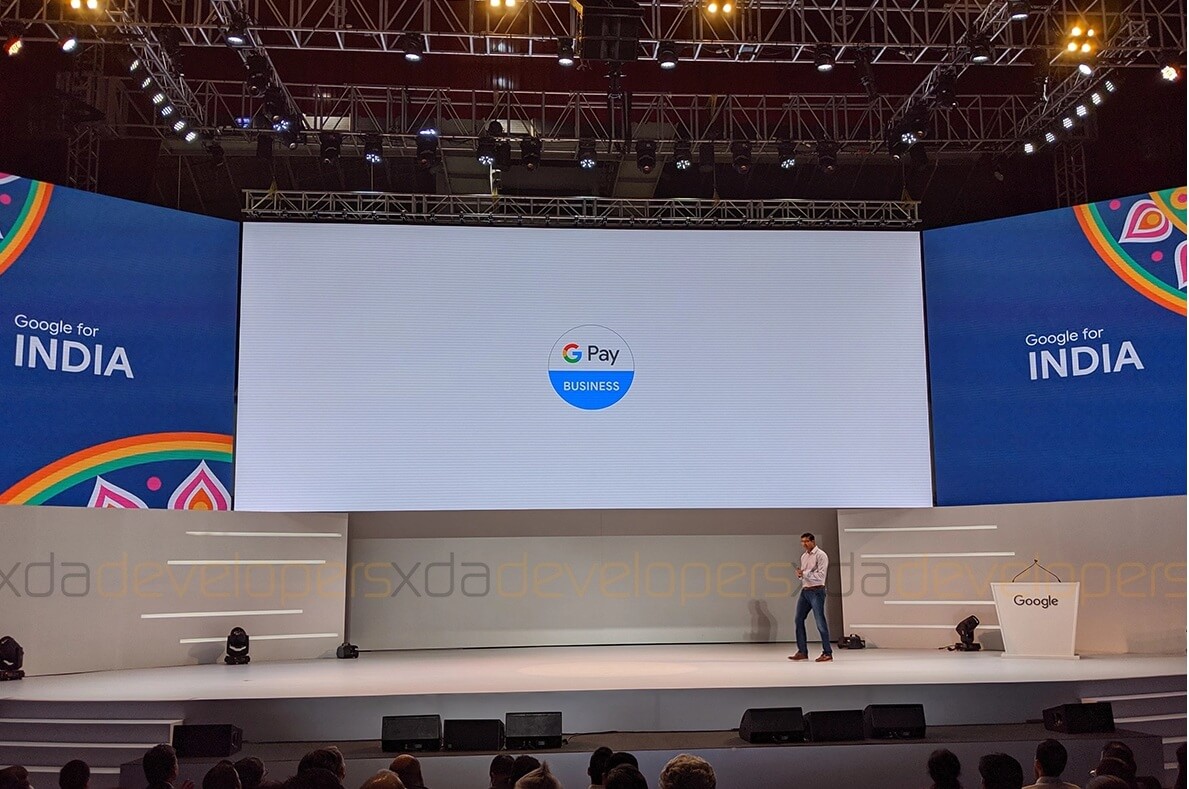
At the fifth edition of its Google for India event hosted in New Delhi on September 19 Google Pay which is one of most popular online payment platforms in India announced a number of new features and functionalities coming to Google Pay. This includes the introduction of tokenised cards and the new Spot platform within the app.
About the tokenized cards: While making purchases online, users often have to enter their card details which includes their card number and the CVV number of their credit or debit cards. This often leaves users’ card details vulnerable to online frauds and other scams. But this changes with the launch of tokenized cards functionality in Google Pay.
The tokenized card functionality would change this by passing on a digital token to the merchant from which you purchase a product or a service instead of your actual card number. Google will roll out this functionality on Google Pay for Visa cards by HDFC, Axis, Kotak and Standard Chartered banks, in coming weeks and it would extend the support to cover Mastercard and Rupay cards in the coming months.
It is worth noting that this functionality is available on both Android and iOS based apps and while the tap and pay functionality is available just on Android smartphones, the online payment feature is available for both the mobile operating systems. Apart from launching tokenized cards, Google also launched a new Spot platform in Google Pay. This platform enables merchants to create a branded commercial experience – without needing to create a website or an app – within Google Pay. Merchants can create their Spot, which supports Java and HTML programming languages, which can then be used by them to showcase their entire catalogue of products to their customers.
 Magazine